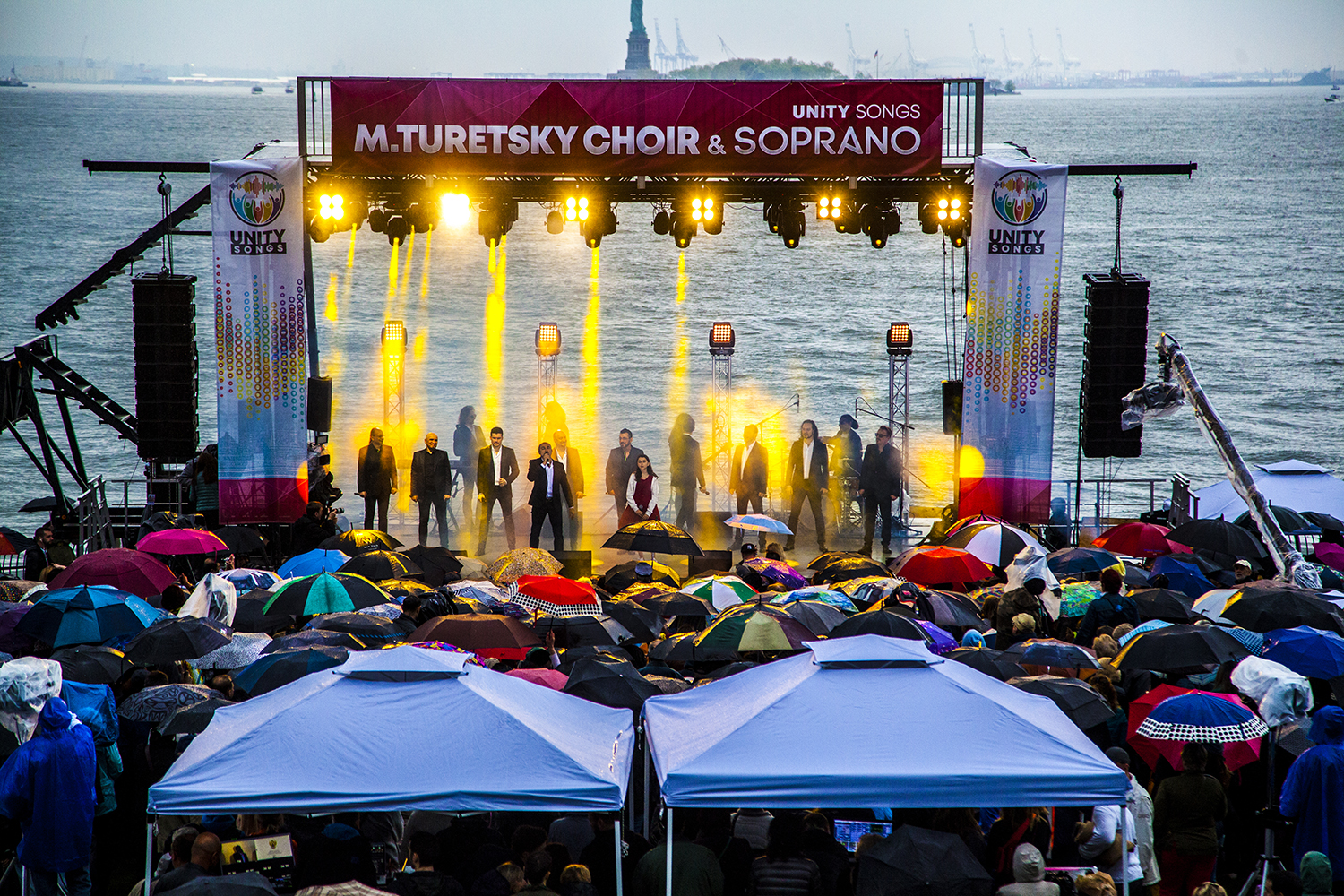
When Load-In Meets Extreme Weather
Racing Against the Elements
The load-in call was for 6 AM, with the festival site requiring complete stage infrastructure by mid-afternoon soundcheck. The storm system arrived at 4 AM, transforming grounds into a muddy obstacle course while winds gusted to 40 mph. The production manager faced the choice that defines careers: delay the build and risk missing showtime, or proceed under dangerous conditions.
Weather-Affected Load-Ins
Outdoor production schedules assume favorable weather—an assumption reality violates regularly. The rigging calls that proceed smoothly in calm conditions become hazardous when wind catches sail panels. The ground support that anchors securely in dry soil loses holding capacity in saturated conditions.
The equipment that survives normal handling becomes vulnerable during storms. Road cases may not seal against driving rain. Electronics can fail when water intrusion exceeds design parameters.
Safety Protocols
The ESTA and OSHA standards include provisions for adverse weather, but commercial pressure often overrides safety considerations. The head rigger who calls a weather delay faces pressure from production management and artists whose schedules don’t accommodate acts of nature.
Wind speed thresholds for rigging operations should be established before weather events occur. The Event Safety Alliance guidelines specify maximum wind speeds—typically 25-30 mph sustained for high-bay work.
Physical Demands
Working in storm conditions imposes physical demands exceeding normal requirements. Rain gear restricts movement and creates overheating risk. Mud makes footing treacherous and increases energy expenditure. The fatigue that accumulates affects judgment precisely when sharp cognition matters most.
The hypothermia risk during cold-weather work receives insufficient attention. Workers focused on tasks may not recognize declining core temperature until symptoms impair function.
Equipment Protection
Protecting equipment during storm load-ins requires advance planning. Waterproof covers for electronics, tarps for cable runs, and elevated staging for sensitive equipment prevent damage exceeding the cost of delays.
The sequence of storm load-in matters. Completing weather-resistant infrastructure—roof systems, stage decks—before deploying sensitive electronics provides shelter for subsequent equipment.
Decision Accountability
The go/no-go decision should rest with designated individuals whose authority is established before weather events. Documenting decisions—including information available and reasoning applied—creates records protecting individuals from liability.
The production that pushes through weather and injures workers faces liability exposure far exceeding the cost of delay. Building culture that accepts weather delays as normal enables conservative decisions keeping workers safe.
