When Audio Capture Exceeds Intended Scope
The All-Hearing System
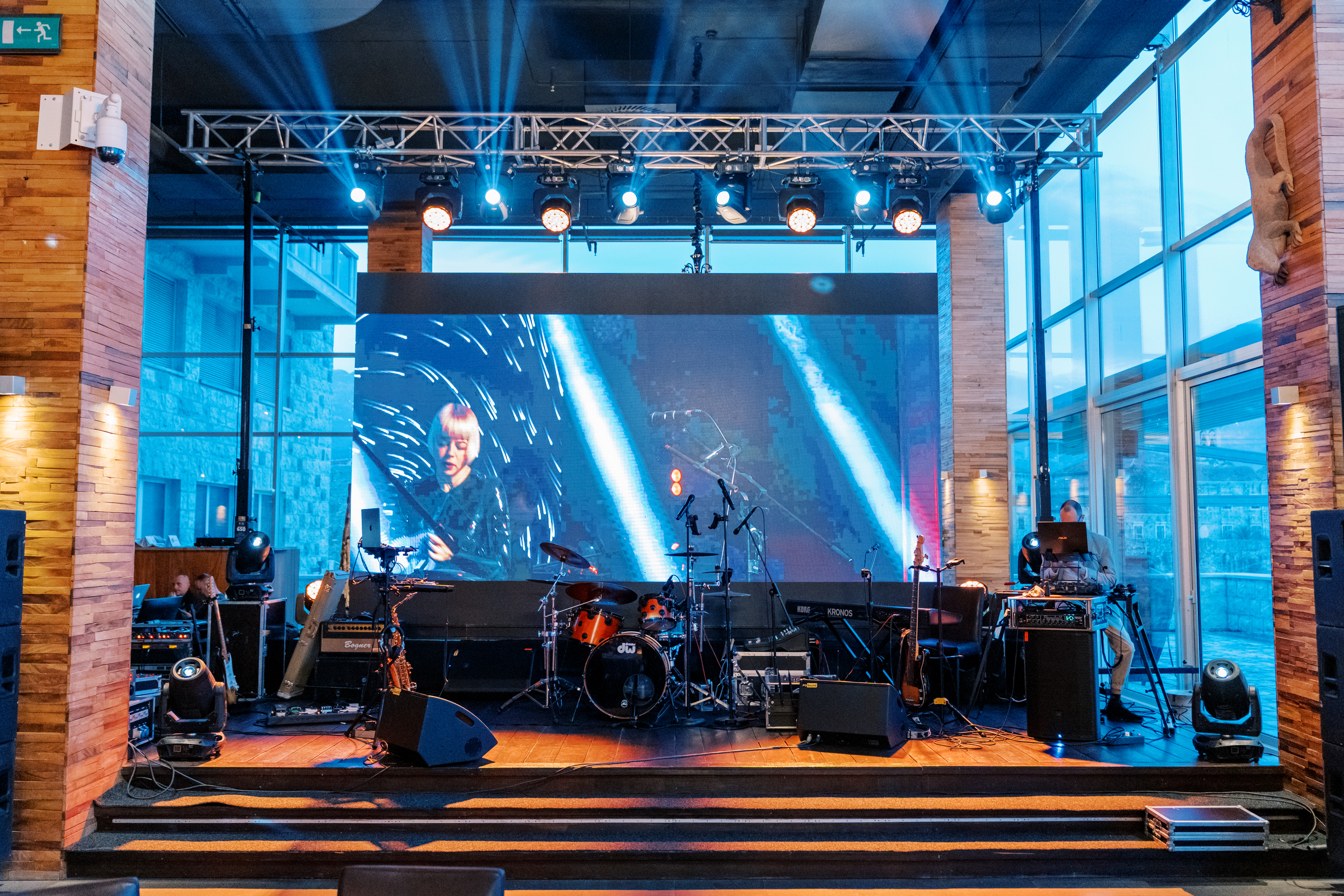
The production audio system had been designed for pristine vocal capture—DPA 4088 headsets on principal talent, Shure UR2 handhelds for backup vocalists. What nobody anticipated was how effectively this array would capture every private conversation within thirty feet of the stage. By intermission, the audio engineer had heard contract negotiations, relationship confessions, and career-ending opinions.
Understanding Microphone Sensitivity
Professional microphones capture sound with sensitivity that exceeds casual assumptions. The Neumann KM 184 condenser microphones can detect sound pressure levels below 20 dB SPL—quieter than a whisper. The Schoeps MK 4 cardioid capsules offer similar sensitivity with patterns that still capture significant off-axis sound.
The gain structure in production audio systems amplifies these sensitive signals further. A microphone producing -50 dBu passes through preamp stages adding 40-60 dB of gain. By the time signals reach the engineer’s headphones, whispered conversations become clearly audible.
Area Microphones and Privacy
Area microphones present particular overhearing risks. A Crown PCC-160 positioned at stage edge for footstep capture also picks up everything said within ten feet. The Sennheiser MKH 70 shotgun aimed at a specific zone captures off-axis conversation with surprising clarity.
The lavalier microphones worn by principals create their own privacy challenges. Performers wearing Countryman B6 or DPA 4061 lavs quickly forget they’re miked, speaking freely during offstage moments when transmitters remain active.
Technical Mitigation
Controlling what microphones capture begins with thoughtful system design. The noise gates on Yamaha CL or DiGiCo SD consoles can mute microphones when talent isn’t speaking. Implementing microphone muting protocols during non-performance periods provides more reliable privacy protection.
The Waves NS1 and similar real-time noise suppression plugins offer sophisticated alternatives to traditional gating. These spectral processing tools distinguish between speech frequencies and ambient noise, applying reduction that adapts dynamically.
Awareness and Ethics
Preventing privacy breaches requires awareness among all production participants that microphones capture more than intended. The pre-show announcements common in broadcast environments serve privacy protection alongside technical preparation.
The audio engineer who overhears sensitive information faces judgment calls about disclosure. There are no universal right answers—each situation requires evaluation of specific circumstances and relationships.
