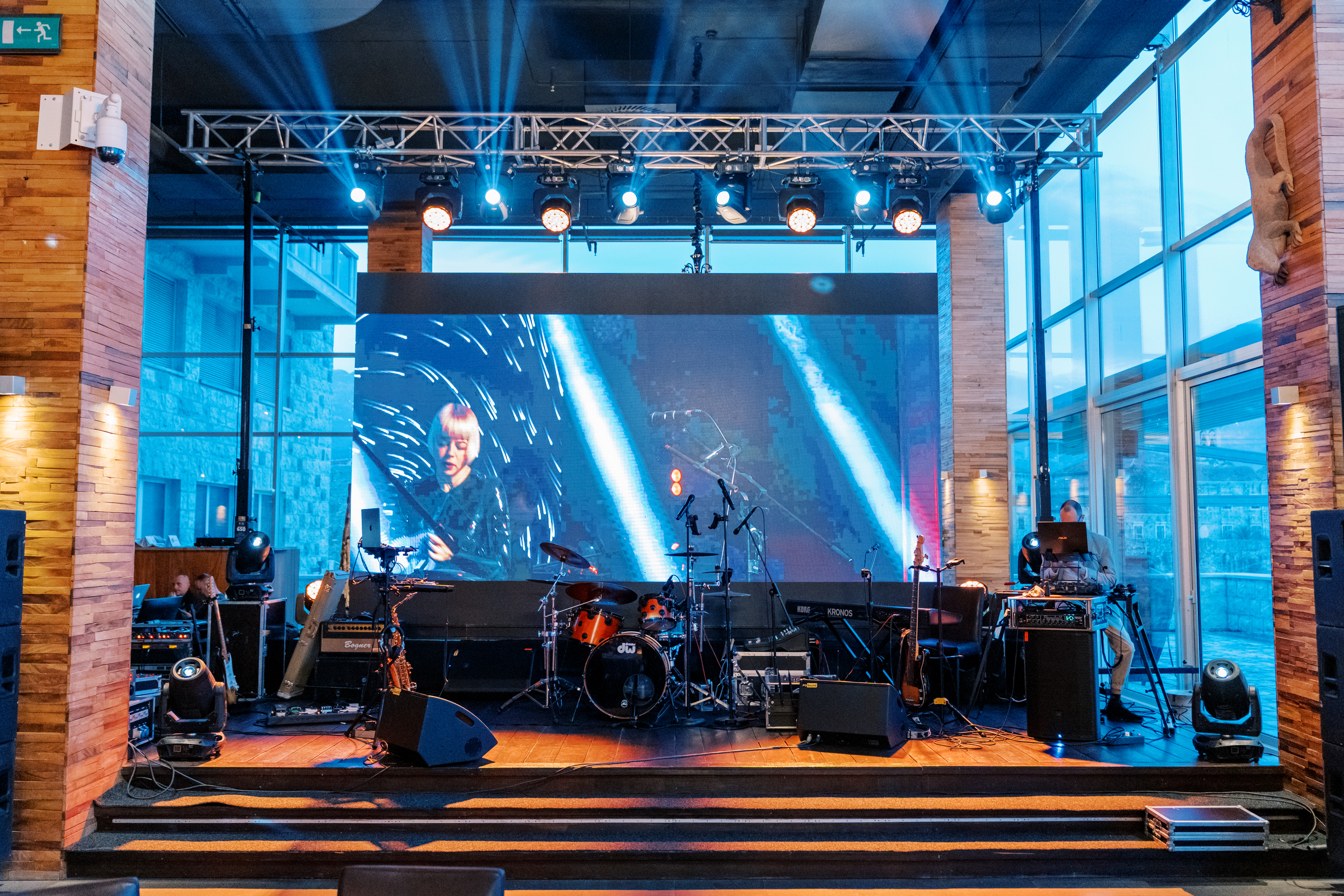
The sound in the front rows was clear and powerful but attendees midway back reported difficulty hearing, while those along the walls heard boomy, unclear audio. This uneven experience resulted from poor speaker placement that served some areas excellently while neglecting others. Understanding the importance of speaker placement for even coverage enables productions to deliver consistent audio quality throughout venues rather than accepting coverage compromises.
Coverage Pattern Fundamentals
Speaker coverage patterns define the angular spread of sound projection. A speaker with 90° x 60° coverage projects sound within those angles; listeners outside this pattern receive significantly reduced levels. Overlapping coverage patterns from multiple speakers creates consistent levels across areas; gaps between patterns create dead spots where audio quality suffers. Understanding specified coverage patterns—and planning placements that avoid gaps—represents foundational audio system design.
Distance and level relationship affects coverage consistency. Sound level drops approximately 6dB for each doubling of distance from point-source speakers. Listeners 50 feet from a speaker hear 6dB less than those at 25 feet; at 100 feet, levels drop another 6dB. Line arrays reduce this falloff to approximately 3dB per distance doubling—one reason L-Acoustics, d&b audiotechnik, and Meyer Sound line arrays dominate large venue installations where consistent coverage across distance matters.
Strategic Placement Approaches
Distributed speaker systems place multiple smaller speakers throughout venues, each covering limited areas at consistent levels. Ceiling speakers, column speakers, and delay fills work together to maintain consistent coverage. This approach works particularly well for speech reinforcement where intelligibility matters more than impact. QSC Q-SYS and Biamp Tesira platforms manage the signal routing, delays, and level adjustments distributed systems require.
Delay speaker alignment ensures distributed speakers reinforce rather than compete with main systems. Sound from delay speakers must arrive at listeners’ ears slightly after sound from main speakers—typically 10-20 milliseconds—so listeners perceive main speakers as the sound source while delays reinforce levels. Incorrect delay settings create echo effects, comb filtering, or confused localization that degrades rather than improves coverage. Measurement using Smaart or SysTune verifies correct delay alignment.
Modeling and Prediction
Acoustic modeling software predicts coverage before installation. EASE, CATT-Acoustic, and manufacturer-specific tools like L-Acoustics Soundvision simulate speaker placement options, showing predicted coverage patterns that guide design decisions. These predictions don’t perfectly match real-world results—room acoustics introduce variables models may not capture—but they provide starting points far better than guesswork.
On-site verification confirms that installed systems achieve predicted coverage. Walking venues during setup with measurement microphones reveals actual coverage compared to predictions. Adjustments to speaker aim, delay settings, and EQ optimize coverage based on real-world behavior rather than theoretical predictions. This verification step catches problems that correction during events cannot adequately address.
Even speaker coverage represents basic professional audio delivery that all productions should achieve. The investment in proper system design, appropriate speaker selection, and verification-based tuning produces consistent audio experiences throughout venues. Audiences throughout coverage areas deserve quality equal to front-row listeners—speaker placement that delivers this equality demonstrates professional competence.
