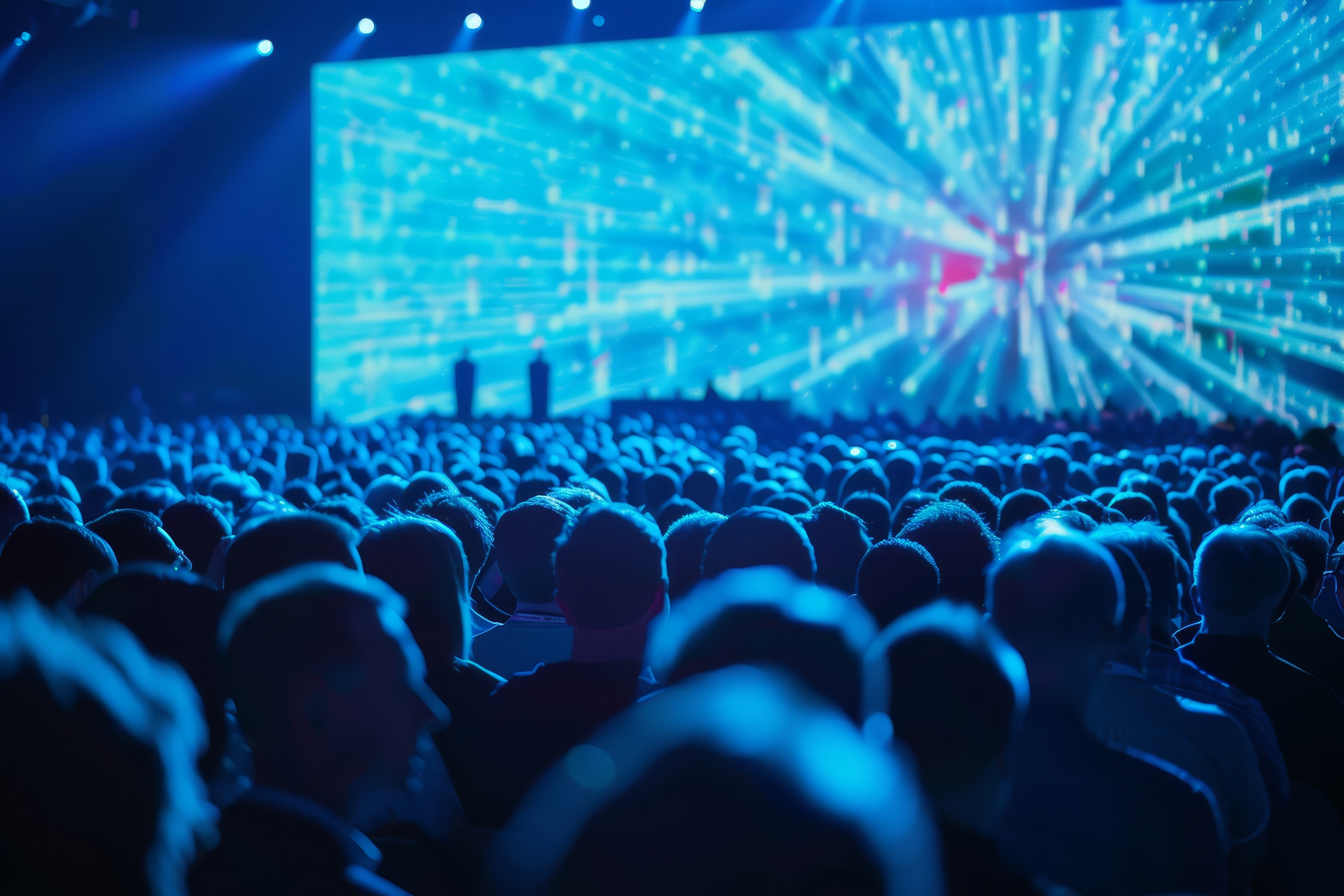
The product launch featured what appeared to be the CEO reaching through the presentation screen to hand a physical product to an attendee a stunning hologram effect achieved through clever combination of LED walls, transparent displays, and carefully coordinated content. These integrated holographic experiences represent some of the most impactful moments in contemporary event production, blending physical and digital elements in ways that delight and surprise audiences.
Understanding ‘Hologram’ Display Technologies
True holograms three-dimensional images viewable from multiple angles without glasses remain largely science fiction for event scale. What productions call holograms typically use Pepper’s Ghost techniques, transparent LED, or holographic mesh screens that create compelling illusions of dimensional imagery. Products from Proto Hologram, HYPERVSN, and Kino-mo provide self-contained holographic display systems, while custom installations combine standard LED with specialized elements for unique effects.
Pepper’s Ghost dates to the 1860s a theatrical illusion using angled glass or film to reflect images, creating the appearance of ghostly figures on stage. The technique powered the famous Tupac “hologram” at Coachella 2012 and continues serving productions requiring full-sized human appearances. Musion Eyeliner and HoloGauze provide modern implementations, using specialized films that maintain transparency while supporting bright reflected images.
Combining LED Walls with Holographic Elements
The most impressive effects often combine multiple technologies. An LED wall provides background imagery; a transparent screen positioned in front displays foreground elements; precise content synchronization creates the illusion of depth and interaction between layers. A presenter appearing to walk through data visualizations uses this layered approach—the presenter moves between LED wall and transparent display, content on each surface coordinated to maintain the illusion. Media servers like disguise excel at this multi-layer content management, outputting synchronized feeds to different display surfaces.
Transparent LED screens from manufacturers like LG Transparent OLED and Planar LookThru enable displays that show content while remaining see-through. Products in front of these displays remain visible; digital content appears to float around physical objects. This technology creates unique opportunities for product reveals, with merchandise visible through the display while animated content surrounds it. The combination proves particularly effective for automotive launches, luxury goods presentations, and any application benefiting from physical-digital integration.
Content Creation Requirements
Holographic content creation requires understanding the specific display technology and viewing conditions. Pepper’s Ghost installations need content displayed on bright monitors or projectors that the film reflects; content must account for reflection characteristics that affect color and brightness. Transparent displays require content with appropriate alpha channels that maintain transparency where desired while displaying solid imagery elsewhere. HYPERVSN and similar spinning LED systems need content designed for their unique display characteristics and refresh patterns.
Productions achieving seamless holographic effects invest substantially in content development and rehearsal. The interaction between physical presenters, display surfaces, and digital content requires choreography that only rehearsal can refine. Timing between presenter movements and content triggers must be precise; lighting must be controlled to avoid washing out display elements; presenter positions must account for optimal viewing angles. This complexity explains why effective holographic moments often cost significantly more than their screen time might suggest the production investment behind impressive effects remains invisible to audiences who see only magical results.
Combining LED walls with holographic effects creates memorable moments that differentiate events from ordinary presentations. The technologies exist; the creative possibilities continue expanding; the required investment includes both equipment and content development. Productions that approach holographic integration with realistic understanding of requirements and appropriate budget achieve effects that audiences remember and discuss long after events conclude the ultimate measure of production impact.
