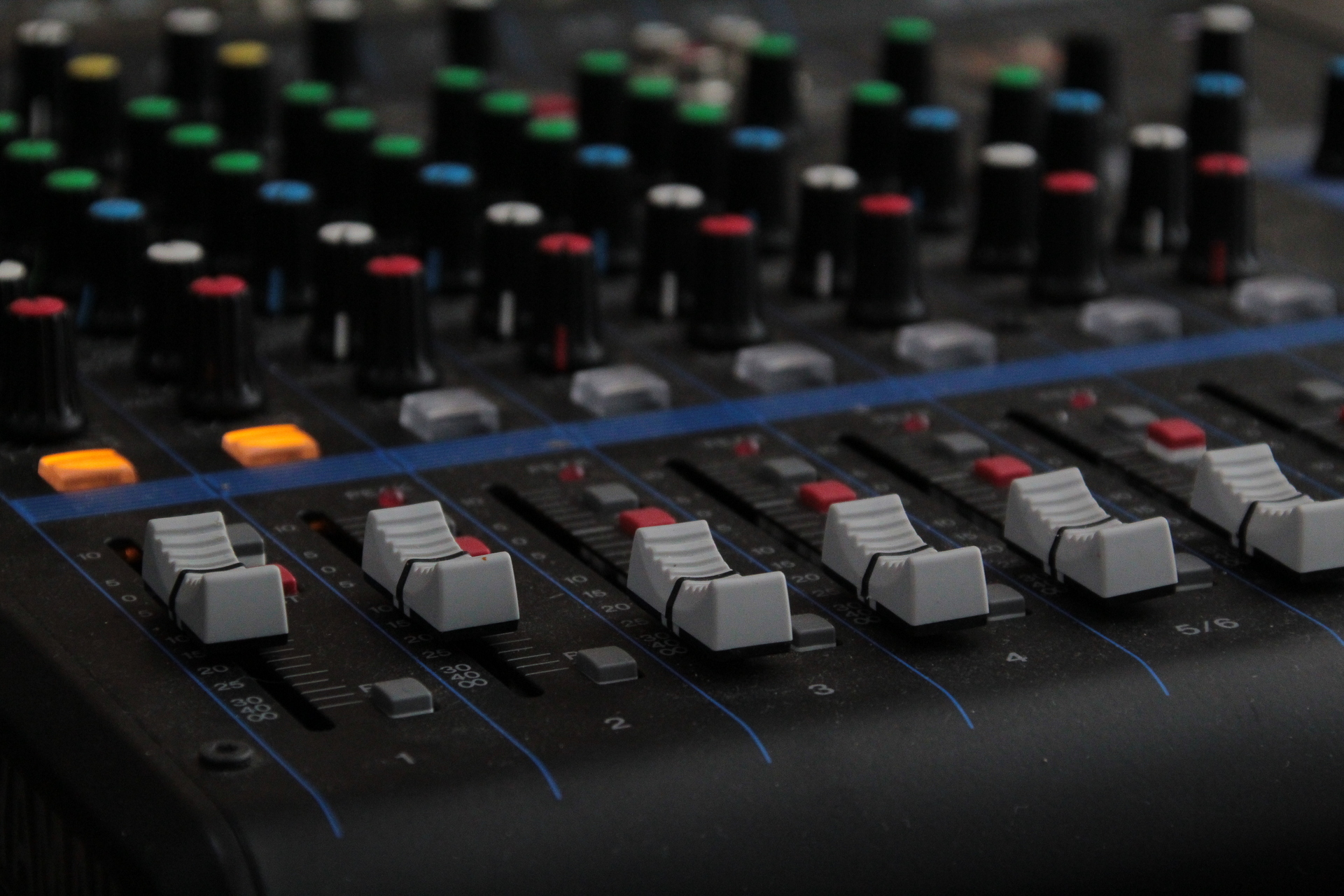
The ballroom holds 400 attendees, the program includes three panel discussions with wireless lavalieres, a keynote with walk-up music, and a networking reception requiring background audio across six distributed zones. This scenario neither intimate enough for minimal equipment nor large enough to justify arena-scale infrastructure defines the medium-sized event sweet spot where mixer selection profoundly impacts both operational efficiency and audio quality. Choosing the right audio mixer for this market segment requires balancing channel count, processing power, workflow flexibility, and budget against the specific demands of corporate meetings, conferences, galas, and similar productions that occupy the space between cocktail parties and stadium concerts.
Defining the Medium Event Category
Medium-sized events typically involve 16 to 48 input channels, multiple output buses for mains, monitors, and recording feeds, and audiences ranging from 200 to 1,500 attendees. The audio requirements exceed what a simple analog mixer can handle gracefully but don’t demand the massive channel counts and redundancy systems that touring concert production requires. Common scenarios include corporate keynotes with multiple presenters and playback sources, gala dinners with live entertainment and speech reinforcement, conferences with breakout rooms requiring distributed audio management, and hybrid events demanding clean broadcast feeds alongside room reinforcement.
The operational context shapes mixer requirements significantly. Unlike concert touring where the same engineer operates the same console show after show, corporate events often involve freelance engineers encountering unfamiliar equipment on short notice. Workflow intuitiveness matters enormously—a console that requires deep menu diving for basic operations creates problems when soundcheck time is limited and the client expects flawless execution. The best mixers for this market combine sophisticated capability with accessible operation, enabling competent engineers to achieve professional results without extensive console-specific training.
Historical Evolution of Digital Mixing
The transition from analog to digital mixing transformed what medium-sized events could achieve. Early digital consoles in the 1990s—the Yamaha 02R being perhaps the most influential—introduced scene recall, onboard effects processing, and channel counts that would have required massive analog installations. However, these first-generation digital mixers suffered from interface limitations, latency issues, and reliability concerns that kept many engineers skeptical. The Yamaha M7CL, introduced in 2005, represented a turning point—combining touchscreen operation, intuitive workflow, and the reliability that professional applications demand.
The subsequent decade brought fierce competition that drove innovation across the industry. DiGiCo expanded from high-end touring into more accessible price points. Allen & Heath entered the digital market with the iLive and later dLive platforms. Behringer disrupted expectations with the X32, proving that professional-grade digital mixing could reach dramatically lower price points. This competitive pressure benefited end users with improved products across all segments, making sophisticated digital mixing available to productions that previously relied on basic analog equipment.
The Yamaha CL/QL Series: Industry Workhorses
The Yamaha QL5 and QL1 have become ubiquitous in corporate production precisely because they balance capability, reliability, and accessibility. The QL5 provides 64 mono inputs and 32 mix buses—ample capacity for complex corporate programs—while the compact QL1 offers 32 inputs for smaller productions. Both share the Dante networking that enables flexible stage box configurations and straightforward integration with recording and broadcast systems. Yamaha’s market penetration means finding engineers familiar with the platform requires minimal effort, reducing the risk of operator-equipment mismatches.
The Premium Rack processing within Yamaha consoles deserves particular mention. Emulations of classic outboard gear—Neve 1073 preamp characteristics, Rupert Neve Designs Portico compression, U76 compressor modeling—provide sound-shaping options that elevate corporate audio beyond mere adequacy. These tools enable engineers to add warmth to sterile room acoustics, control dynamic presenters gracefully, and deliver broadcast-quality feeds without external processing. The processing comes included rather than requiring additional plugin licenses, simplifying budgeting and deployment.
Allen & Heath dLive: Flexibility and Sound Quality
The Allen & Heath dLive platform has captured significant market share by emphasizing audio quality and processing flexibility. The C1500 surface combined with CDM32 MixRack provides 128 processing channels with 64 configurable buses—specifications that exceed typical medium-event requirements while ensuring headroom for complex productions. The system’s 96kHz processing throughout the signal path delivers audio quality that discriminating engineers appreciate, particularly when recording or broadcast feeds demand pristine source material.
dLive’s DEEP processing modules add another dimension of capability. Hardware-modeled emulations of classic channel strips—Neve, Dualux, Opto compression—can be inserted into any channel without consuming additional DSP resources. This processing depth enables engineers to craft mixes with character and dimension that basic EQ and compression cannot achieve. For events where audio quality differentiates the production—high-end corporate galas, awards ceremonies with live entertainment, premium brand experiences—the dLive’s sonic capabilities justify its price premium over more utilitarian alternatives.
DiGiCo SD Series: Premium Performance
The DiGiCo SD11 and SD12 bring the company’s flagship-level processing to medium-event applications. The SD11’s compact footprint—remarkably small for its 96-channel processing capability—suits venues where front-of-house space is limited. The SD12 expands the control surface while maintaining the same processing engine, offering more faders and physical controls for complex productions. Both consoles run DiGiCo’s Stealth Digital Processing architecture, providing processing quality identical to their larger SD7 and SD5 siblings used on major concert tours.
DiGiCo’s Mustard and Spice Rack processing options extend creative possibilities significantly. These optional packages add channel strip emulations and dynamics processing modeled on legendary outboard equipment. The Waves integration available on SD-series consoles enables access to the extensive Waves plugin library directly within the console environment—a capability that appeals to engineers accustomed to studio-style processing. For productions demanding the absolute highest audio quality with maximum processing flexibility, DiGiCo represents the premium tier that justifies its premium pricing.
Behringer/Midas: Budget-Conscious Excellence
The Behringer X32 transformed industry expectations about digital mixer pricing. Offering 32 input channels, 16 mix buses, onboard effects, and motorized faders at prices previously associated with basic analog mixers, the X32 democratized digital mixing for productions that couldn’t justify premium console investment. The Midas M32—sharing the same architecture with upgraded preamps and build quality—occupies a slightly higher tier while remaining dramatically more affordable than traditional professional consoles.
Professional opinions on these platforms vary. Some engineers dismiss them as inadequate for serious production; others deploy them successfully on demanding corporate events daily. The reality lies between extremes: X32 and M32 consoles provide capable performance for typical medium-event applications, with limitations becoming apparent primarily in demanding acoustic environments or when maximum processing flexibility is required. Productions operating within tight budgets can achieve professional results with these platforms; productions where audio quality represents a competitive differentiator might benefit from investing in alternatives. The Wing console from Behringer elevates the brand’s offering with improved processing and workflow, addressing some criticisms leveled at the X32 generation.
Networking and Integration Considerations
Modern medium-event production increasingly relies on networked audio distribution. Dante has emerged as the dominant standard, with support across Yamaha, Allen & Heath, and numerous third-party devices. DiGiCo uses proprietary Optocore networking internally while offering Dante expansion for integration with external systems. The practical benefit: stage boxes can be positioned flexibly with single-cable connections to mix positions, recording systems can capture individual channels without analog splits, and distributed speaker processors can receive feeds directly from the console network.
Hybrid event requirements have elevated network integration importance. Clean broadcast feeds separate from room mixes enable streaming and recording without compromising live reinforcement. The ability to route individual channels to external production systems—for virtual events, overflow rooms, or multi-language interpretation—has become standard expectation rather than special capability. Consoles that integrate smoothly with Dante Virtual Soundcard, Waves SoundGrid, or similar software bridges enable workflows that satisfy complex technical requirements without external hardware proliferation.
Practical Selection Criteria
Selecting the right mixer for specific applications requires honest assessment of actual needs rather than aspirational specifications. A corporate meeting with eight wireless microphones and two playback sources doesn’t require 128-channel processing capability regardless of how impressive the specification sounds. Conversely, a production incorporating live band, presenter microphones, playback, and multiple monitor mixes might find a 32-channel console uncomfortably constraining. The channel count sweet spot for most medium events lies between 32 and 64 inputs, with 16-24 mix buses providing adequate routing flexibility.
Operational factors often matter more than specifications. Will the console travel frequently, requiring robust construction and efficient packing? Will various engineers operate it, favoring intuitive interfaces and industry-standard workflows? Will it integrate with existing stage box inventory or require new infrastructure investment? Does the production company’s engineering staff prefer specific platforms based on experience? These practical considerations should guide selection alongside technical specifications. The best console for any organization is one that its engineers can operate confidently, that integrates with existing systems smoothly, and that delivers reliable performance across the range of events the company serves.
The medium-event market benefits from exceptional mixer options spanning budget to premium tiers. Each platform discussed serves this segment effectively within its price category, with selection depending on specific operational requirements, budget constraints, and quality expectations. Engineers who understand their actual needs—rather than defaulting to either the cheapest option or the most expensive—position their productions for success with equipment matched to the work they perform. The right mixer becomes invisible during events, enabling focus on the audio itself rather than the tools producing it.
