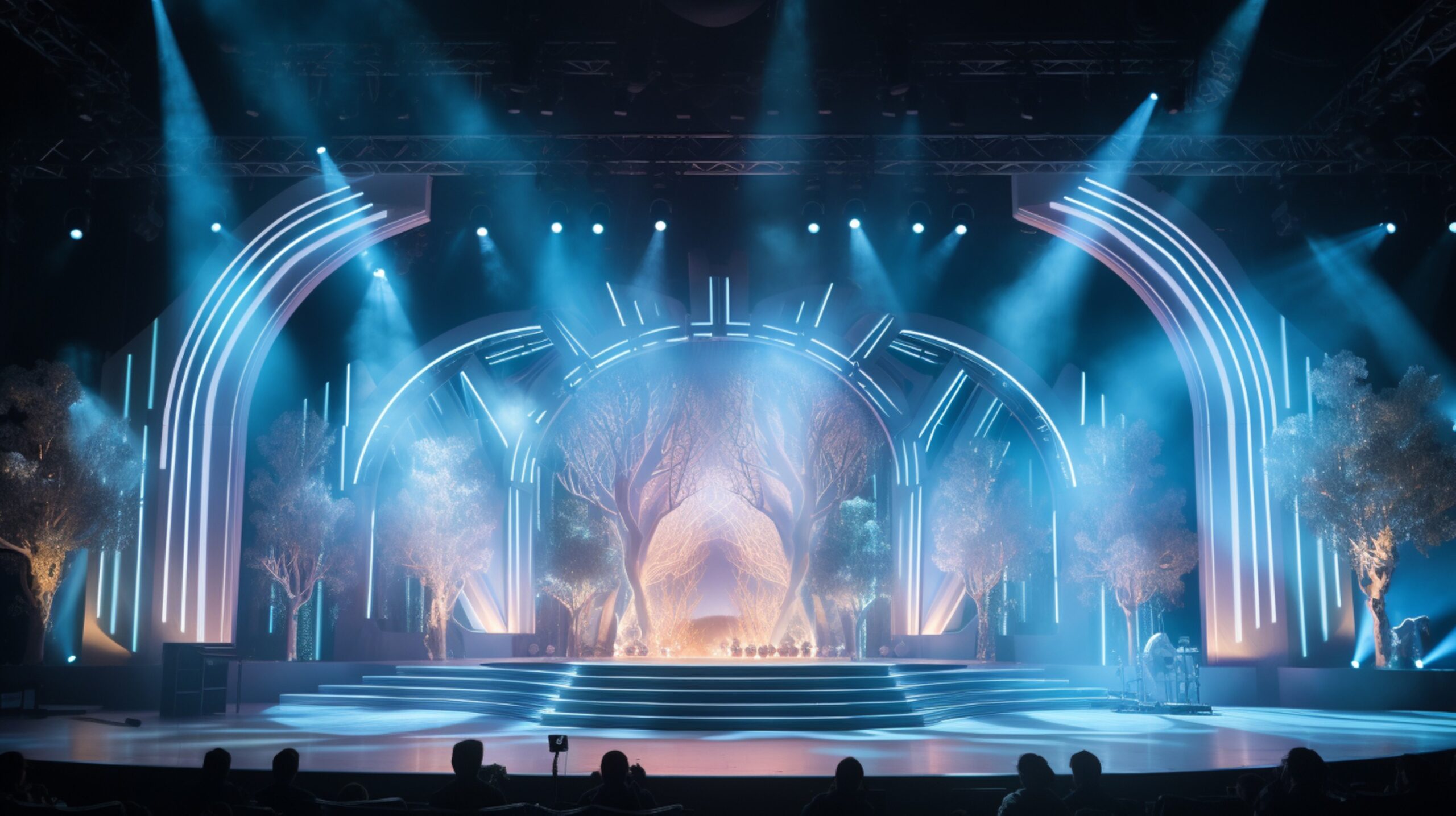
The trade show post-mortem revealed surprising data: booths with high-quality AV experiences attracted 40% more visitors and generated 60% more qualified leads than comparable booths relying on static displays. This measurable impact demonstrates how AV technology boosts exhibitor engagement—creating interactions that static approaches cannot match and producing results that justify AV investment in exhibition contexts.
Attention Capture in Competitive Environments
Trade show environments present intense competition for attention. Hundreds of exhibitors vie for visitor time; the average attendee can visit only a fraction of available booths. Standing out requires elements that draw eyes from across crowded halls. LED video walls displaying dynamic content attract attention that static graphics cannot; motion triggers automatic visual attention that evolution hardwired into human perception. Booths with AV elements draw visitors who might otherwise pass by.
Audio elements extend reach beyond visual range. Directional speakers from Holosonics create audio zones that don’t disturb neighbors while reaching passersby with brand messaging. Background music that matches brand identity creates atmosphere that extends booth boundaries psychologically. These audio elements must respect show regulations regarding sound levels—violating rules creates problems that no engagement benefit justifies.
Interactive Engagement Technologies
Touch-enabled displays transform passive viewing into active exploration. Visitors who manipulate product configurations, navigate information, or play branded games engage more deeply than those who merely watch. This active engagement produces stronger memory formation—visitors remember what they did more than what they saw. Samsung, LG, and Planar interactive displays enable these experiences with reliable commercial-grade hardware.
Experiential activations using VR, AR, and immersive installations create memorable interactions that static booths cannot approach. A VR experience that places visitors inside a product application creates understanding that brochures cannot convey. AR product visualization using tablets or AR glasses enables examining products in context. These technologies require investment in both hardware and content development but produce engagement metrics that justify costs for appropriate applications.
Measuring Engagement Impact
Traffic counting using sensors and cameras quantifies visitor numbers. Dwell time measurement reveals how long visitors engage—longer times typically correlate with deeper interest. Lead capture integration connects AV interactions to business outcomes; visitors who engage with interactive elements often provide contact information more readily than those approaching static displays. These metrics enable ROI calculations that justify AV investment and guide future decisions.
Social sharing extends engagement beyond booth boundaries. AV experiences that photograph well—dramatic LED walls, creative installations, immersive activations—generate social media content that reaches audiences far beyond trade show attendance. Designing for shareability—creating moments visitors want to capture and post—multiplies engagement investment by leveraging attendee networks.
AV technology in exhibition contexts produces measurable engagement benefits that static approaches cannot match. The investment in appropriate technology, content development, and measurement infrastructure pays dividends in visitor attraction, engagement depth, and business outcomes. Exhibitors who leverage AV effectively create competitive advantages that translate directly to trade show success.
