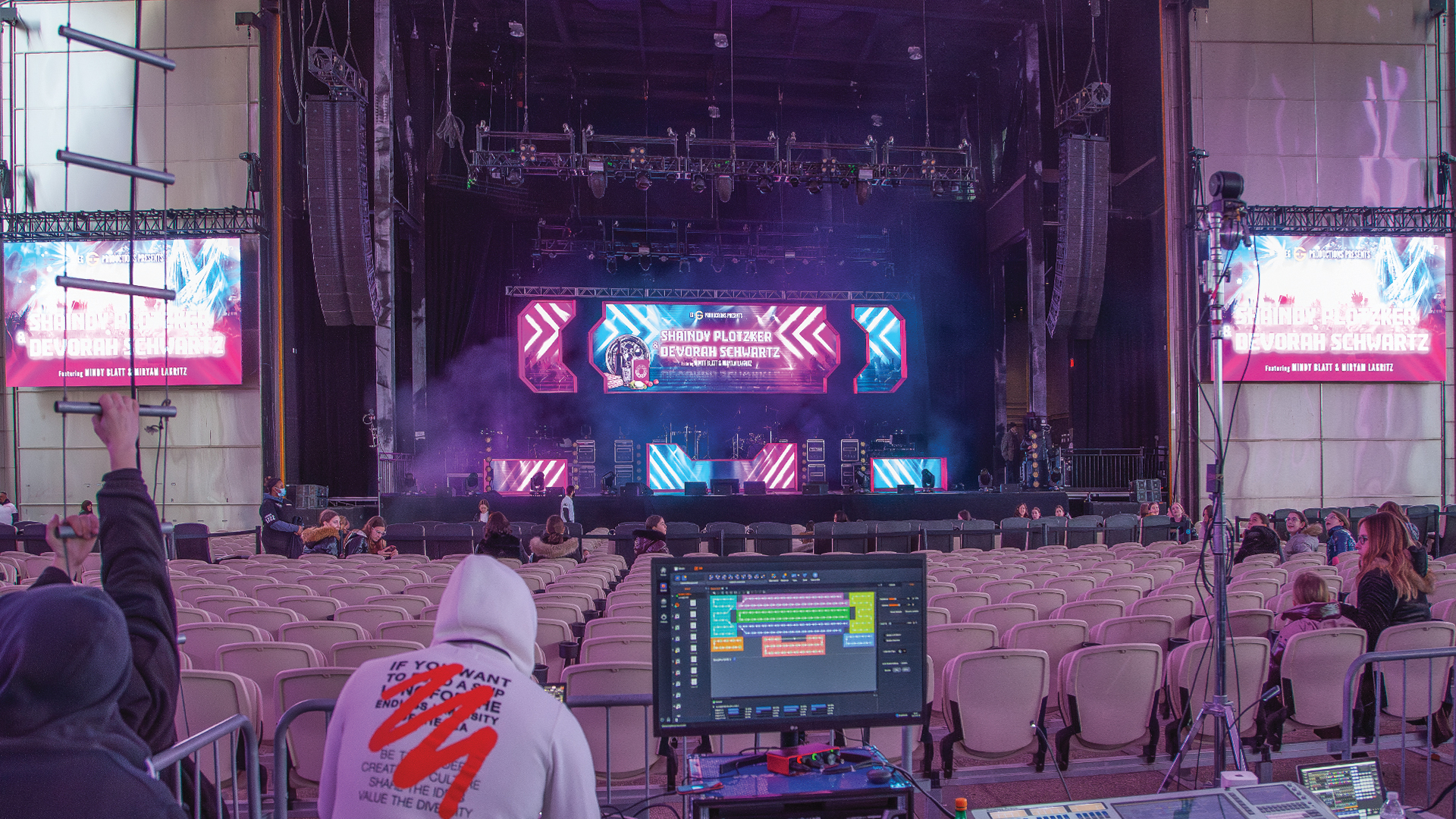
Short rehearsal windows are not exceptional circumstances in live production — they are the norm. The gap between the production schedule that appears in the initial proposal and the actual technical time available on site, after venue constraints, vendor logistics, client changes, and the accumulated delays of a complex build are accounted for, is a feature of the industry, not a bug. The production teams that consistently deliver excellent shows from compressed rehearsal windows are not lucky — they have developed a systematic approach to pre-production that transfers as much work as possible to the hours before load-in, so that the rehearsal time that does exist is spent on decisions that can only be made on the actual stage.
The history of live production is full of productions that succeeded spectacularly on almost no technical rehearsal — and full of productions with ample rehearsal time that still fell apart from poor planning. The differentiating variable is almost never the clock — it is the quality of preparation before the clock starts running.
Front-Loading Every Decision That Doesn’t Require the Stage
The foundational principle of short-rehearsal production is that every decision that can be made without being in the venue must be made before load-in begins. Show file construction, fixture parameter defaults, media server content organization, signal flow documentation, patch bay assignments, wireless frequency coordination, and network IP addressing are all decisions that can and should be finalized during the pre-production period, not during the rehearsal.
Lighting programmers working in grandMA3 or ETC Eos build complete show file structures — group definitions, position palettes, colour palettes, and cue list scaffolding — from the lighting design documentation before the rig is even hung. Video directors organize media server libraries in disguise or Resolume Arena and pre-map content to outputs using virtual screens built from the production’s CAD drawings. The show file that goes into rehearsal is not a blank starting point — it is a pre-built operational framework that only needs to be refined and timed against the actual performers and content.
The Advance Package as a Force Multiplier
A comprehensive technical advance package transforms how efficiently a production uses its stage time. The advance package — covering technical riders, signal flow diagrams, stage plots, lighting plots, power requirements, network documentation, and run-of-show structure — should be in the hands of every department head before load-in day. When every technician arrives already understanding the system architecture they’re installing, load-in proceeds faster and the system is ready for testing sooner.
The advance package is also where the production manager’s risk assessment lives. On a compressed schedule, identifying the five elements most likely to cause delay — the wireless frequency coordination in a congested market, the LED wall processor configuration, the streaming encoder setup — and assigning those as specific responsibilities to specific senior technicians before the day begins is the difference between a controlled build and a reactive one.
Triage the Rehearsal Agenda Ruthlessly
With limited rehearsal time, not everything gets rehearsed to the same depth — and the most critical skill of the technical director managing a compressed window is the ability to triage the rehearsal agenda accurately. The questions to answer are: which elements are most critical to the audience experience and most sensitive to error, which elements can be corrected during the show if they’re not perfect in rehearsal, and which elements are being tested for the first time in the actual production environment.
A presenter walk-through is non-negotiable on any production with live speakers — it is the only rehearsal that reveals the actual footprint, blocking, and audio feedback risk of each presenter in the real production environment. Lighting cue timing against live content can be adjusted during the show by an experienced programmer. A feedback loop that wasn’t anticipated during rehearsal cannot be gracefully managed in the moment. Prioritize the things that cannot be fixed in real time over the things that can.
The Show File Build Under Time Pressure
When the rehearsal window is genuinely short — two hours or less — the show file build strategy must shift from comprehensive to functional minimum viable show. This means: build the cues that support the most visible and most critical moments in the show first. Opening number, speaker keynote, awards presentations, closing — the moments the audience will remember and the client has invested most heavily in. Lower-profile moments get placeholder cues that are functional if imperfect and can be refined during the performance itself if conditions allow.
This prioritization requires the programmer to have a detailed run-of-show document that clearly identifies which cues are show-critical and which are secondary. It also requires the creative director to be aligned on this prioritization before the rehearsal begins — a conversation that should happen in the advance period, not at 11pm on the evening of the event.
Communication Infrastructure as a Rehearsal Multiplier
The quality of communication infrastructure between departments during a compressed rehearsal determines how effectively the available time is used. A Clear-Com or RTS intercom system that connects FOH, stage, lighting, video, and show caller simultaneously is not a luxury in a compressed rehearsal — it is the mechanism that allows problems to be identified and resolved in parallel rather than sequentially. Every minute spent physically walking between positions to communicate a note is a minute not spent implementing it.
Productions that invest in comprehensive show caller and cue communication infrastructure consistently execute better technical rehearsals in shorter time windows than those relying on radios and shouted notes. This investment should be part of the initial production specification, not an add-on considered when the schedule is already tight.
Debrief in Real Time
The most effective short-rehearsal productions run a rolling debrief protocol during the rehearsal itself — the show caller or technical director calls notes immediately after each run-through segment rather than accumulating them for an end-of-rehearsal session that may not happen before doors. This real-time debrief catches discrepancies while the relevant crew members are still engaged and available and converts rehearsal observations directly into actionable corrections without the memory degradation that comes from saving notes for later.
