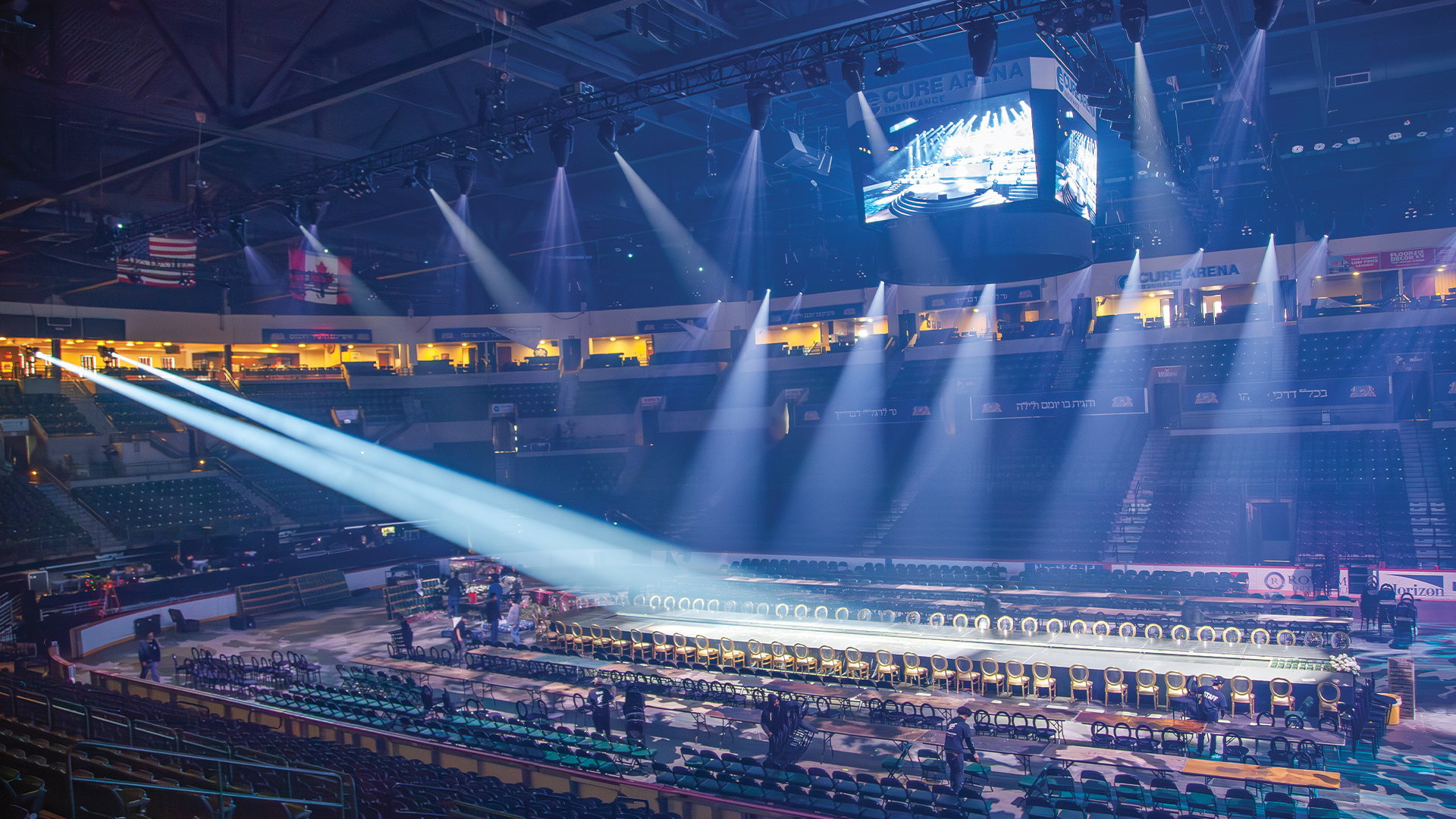
In the egalitarian ideal of stage lighting, every performer receives appropriate illumination for their moment. In reality, moving lights occasionally develop preferences—fixtures that consistently find certain performers while struggling to locate others, color temperatures that flatter some skin tones while making others appear vaguely deceased.
Understanding Fixture Inconsistency
Moving head fixtures from Martin, Robe, and Claypaky are precision instruments, but precision has limits. Stepper motors controlling pan and tilt accumulate positioning errors. Belt-driven systems develop slack. Even high-end fixtures like the Robe ESPRITE require periodic calibration to maintain accuracy.
Color consistency presents another challenge. LED fixtures use multiple emitters that age differently—the red elements might degrade faster than blue, shifting overall color temperature. Discharge lamp fixtures change color output as lamps age. What looked matched during programming looks mismatched after 500 hours of use.
Historical Lighting Challenges
Before intelligent lighting, consistency depended on careful fixture selection. Electricians sorted Source Four ellipsoidals by lamp age to ensure matched output. Fresnel fixtures were positioned based on beam quality—the smoothest units went to key positions.
The 1980s introduction of Vari-Lite VL1 brought automation but also new inconsistency sources. Early moving lights were notoriously individual—each fixture had its own personality that programmers learned to accommodate.
The Favoritism Phenomenon
I witnessed classic fixture favoritism during a dance production. Four Martin MAC Viper Profiles were programmed identically to track four dancers through identical choreography. Three worked perfectly. The fourth consistently arrived slightly late and slightly stage left of its target dancer.
Troubleshooting revealed the pan belt had stretched microscopically, creating backlash in direction changes. The fixture worked fine for static positions but struggled with dynamic tracking. The affected dancer—understandably—felt personally slighted by the equipment.
Color Temperature and Skin Tones
Some lighting favoritism is inherent to physics. Certain color temperatures complement specific skin tones while clashing with others. Warm white LED at 3200K flatters many complexions but can emphasize redness in some. Cooler whites around 5600K provide crisp illumination but may appear clinical on darker skin tones.
Professional lighting designers account for this by adjusting color temperatures for different performers or using color correction gels on key lights. The ETC Source Four LED Series 3 offers adjustable color temperature specifically to address skin tone optimization.
Calibration and Maintenance
Preventing fixture favoritism requires systematic maintenance. Most professional moving lights include calibration routines accessible through control menus or RDM (Remote Device Management) commands. Regular calibration—ideally before every production, minimally quarterly—maintains positioning accuracy.
Color calibration addresses LED aging. Tools like the Astera ColorMeter measure actual output for comparison against target values. Adjustment curves can compensate for aged emitters, extending useful fixture life while maintaining visual consistency.
Software Solutions
Modern lighting control software offers tools for managing fixture inconsistency. grandMA3 allows fixture-specific offset adjustments—if a particular unit consistently misses by two degrees left, that offset can be programmed into the console’s fixture profile.
ETC Eos includes color correction capabilities that can adjust individual fixture output to match references. When one fixture’s blue runs hot compared to others, software correction brings it into line without requiring physical intervention.
The fixtures that play favorites remind us that mass production creates individuals—no two units are identical despite identical specifications. The art of professional lighting includes understanding these individual characteristics and either correcting them or, occasionally, exploiting them for creative effect.
