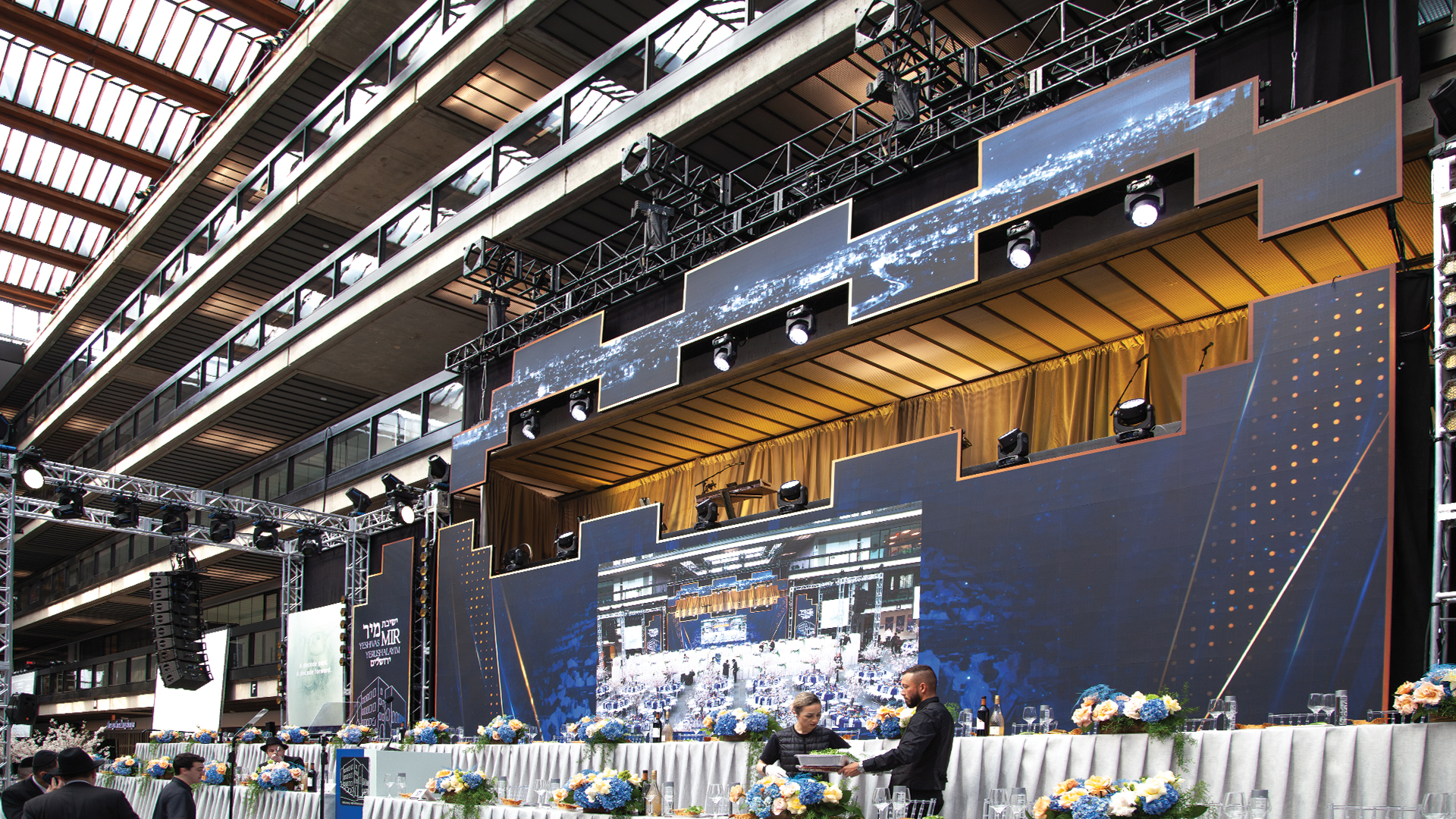
Aluminum truss systems form the skeletal structure of modern live event production engineered frameworks designed to support tons of lighting, audio, and video equipment with mathematical precision. These structures undergo rigorous load calculations, safety factor multiplications, and structural certifications. Yet occasionally, they develop positional preferences, shifting, rotating, or settling in ways that contradict their specified engineering and challenge every rigger who has wrestled with aluminum under deadline pressure.
The Physics of Mechanical Independence
Understanding why truss structures migrate requires appreciation for the forces acting upon them. A standard 12-inch box truss span supporting moving head fixtures experiences constant dynamic loading—every pan, tilt, and color wheel change transfers momentum. The Tyler GT Truss and Thomas Super Truss systems incorporate these forces in their calculations, but real-world installations introduce variables no engineering model fully captures.
Thermal expansion represents the most insidious influence. Aluminum expands approximately 0.013 inches per foot for every 50 degrees Fahrenheit increase—seemingly trivial until applied across 60-foot spans. A truss grid installed during cool morning hours can grow several inches by afternoon. This expansion must go somewhere, and constrained structures express thermal energy through movement, rotation, or stressed connection points.
Historical Context: Steel to Aluminum Revolution
The entertainment industry’s adoption of aluminum truss represents a revolution in portable structure engineering. Before the 1970s, heavy steel frameworks dominated concert rigging—sturdy but impractical for touring. Pioneers like James Thomas Engineering and European manufacturers developed welded aluminum alternatives that dramatically reduced weight while maintaining structural integrity.
The 6061-T6 aluminum alloy became industry standard, offering excellent strength-to-weight ratios and corrosion resistance. However, aluminum’s lower modulus of elasticity compared to steel means aluminum structures deflect more under load—a characteristic that contributes to their tendency toward movement. The Prolyte Group and Global Truss developed improved connection systems attempting to minimize this deflection.
Connection Points: Where Movement Originates
Every truss connection represents potential movement origin. The ubiquitous conical coupler system developed in the 1980s remains industry standard—half-couplers mated with conical connectors, secured by pins and R-clips. While elegant in design, these connections require precise alignment and proper tensioning. Improperly seated couplers can rotate under load, and pins that are not fully engaged allow incremental movement that accumulates over time.
The spigot connection system used by some manufacturers introduces different challenges. These male-female joints depend on friction fit supplemented by safety pins, but worn spigots develop clearances that enable lateral movement. Rental inventory logging thousands of shows exhibits connection tolerances far looser than original specifications—not enough to compromise safety ratings, but sufficient to enable positional drift frustrating precision installations.
The Bridle Point Negotiations
Suspended truss structures hang from bridle points—engineered attachment locations where chain hoists transfer load to venue steel or ground support systems. The CM Lodestar and JR Clancy PowerLift chain motors lift these structures with remarkable precision, but bridle geometry determines how loads distribute—and how structures respond to unbalanced forces.
A truss span bridled with unequal leg lengths rotates toward the shorter leg as weight is applied. This rotation continues until equilibrium establishes—a position determined by physics rather than design intent. Experienced head riggers calculate bridle angles using tools like the Sapsis Rigging Calculator and Vector software, yet field conditions—available attachment points, venue steel angles, obstruction avoidance—force compromises that manifest as structural rotation.
Ground Support: When Earth Disagrees
Ground support towers—vertical structures supporting truss grids without venue ceiling attachments—introduce their own movement challenges. Systems like the Genie ST-25 and Prolyte MPT Towers depend on perfectly level bases and evenly distributed loads. The outrigger feet that stabilize these towers require solid, level surfaces—conditions rarely achieved on the slightly crowned concrete floors typical of convention centers or the genuinely uneven terrain of outdoor festivals.
As towers accept load, they compress slightly—a combination of material deflection under stress and mechanical settling at connection points. This compression creates differential settling when loads distribute unevenly across the grid. The tower under the heavier loudspeaker cluster settles more than the tower supporting only lighting, tilting the entire truss plane. Shim adjustments and outrigger fine-tuning become iterative processes as the structure finds its preferred equilibrium position.
The Chain Hoist Conversation
Chain motors lifting truss structures operate with specified tolerances—typically plus or minus half an inch of positioning accuracy under ideal conditions. Real-world factors reduce this precision considerably. Chain stretch accumulates over years of service, load cell calibrations drift between maintenance cycles, and motor controllers interpret their programming with individual interpretation. A dozen hoists commanded to the same height arrive at slightly different positions, creating twist and tilt in supposedly level structures.
The Movecat and Prolyft Aetos systems represent sophisticated approaches to hoist coordination, incorporating absolute positioning encoders and networked control that synchronizes movements across multiple motors. Yet even these advanced systems cannot completely eliminate the mechanical realities of chain-based lifting—chain links engage sprockets at slightly different points, creating minuscule position variations that accumulate across large structures.
Wind Loads and Outdoor Adventures
Outdoor truss installations face environmental forces that indoor systems never encounter. Wind loading on festival stages creates lateral forces that strain ground support systems and challenge guy wire configurations. The Stageco and Mega Stage temporary roof systems used at major festivals incorporate engineering margins for wind, but sustained gusts can still produce visible truss movement that concerns both riggers and artists.
The lightweight panels often hung from outdoor truss—scrim, LED mesh, and projection surfaces—act as sails catching wind and transferring force to their supporting structures. A gentle breeze may not threaten structural integrity but can induce swaying visible to audiences and distracting to performers. Guy wire tensioning becomes a continuous process as conditions change, riggers perpetually negotiating between structure stability and the wind’s persistent advocacy for movement.
Equipment Weight Distribution Realities
The equipment attached to truss structures rarely distributes weight as uniformly as design specifications assume. Lighting fixtures cluster at specific positions for artistic reasons, creating load concentrations that produce localized deflection. Line array clusters impose significant point loads, and the addition of video screens or LED panels adds weight in configurations that structural engineers struggle to anticipate during initial design phases.
The iterative nature of production design—creative changes occurring throughout rehearsals—means final configurations often differ substantially from initial specifications. A lighting designer’s inspiration to add fixtures to a particular position may push local loading beyond comfortable margins, requiring redistribution that affects bridle points and changes equilibrium positions. The truss responds by finding a new balance point, which may differ noticeably from intended positioning.
Professional Responses to Structural Independence
Experienced rigging professionals develop strategies for managing truss movement. Installation sequences matter—establishing primary reference points before adding secondary structures, then allowing systems to settle before making final adjustments. The trim adjustment process becomes iterative, with riggers returning to check positions as loads are added and thermal conditions change.
Documentation proves essential for touring productions. Recording actual installed positions—rather than design specifications—enables consistent replication at subsequent venues. The production database notes that the downstage truss consistently settles two inches stage left, allowing advance compensation in bridle calculations. Institutional knowledge about specific equipment behavior accumulates through experience, becoming as valuable as engineering specifications in predicting and managing structural movement.
The Philosophical Acceptance
Perhaps the most practical approach acknowledges that truss systems exist within engineering tolerances that include acceptable movement. Safety factors ensure structural integrity despite positional variations; the 5:1 design ratio standard in entertainment rigging accommodates considerable deviation from ideal conditions. The truss that refuses to stay in place remains safely within its load ratings even as it settles, rotates, or drifts to positions its designers might not have anticipated.
The live event industry continues developing improved solutions—self-leveling systems, advanced motor controls, connection designs with tighter tolerances. Yet the fundamental physics of loaded structures under dynamic conditions ensures that truss systems will always find their own equilibrium, which may or may not align with human preferences. The professional response involves preparation, monitoring, and the wisdom to distinguish acceptable settling from structural concerns requiring immediate attention.
